The Human Voice at the Table Doesn’t Change the House Edge
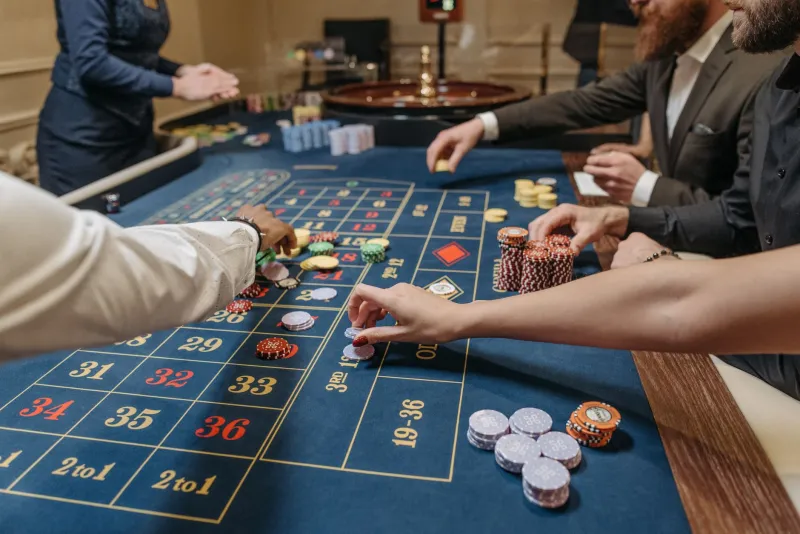
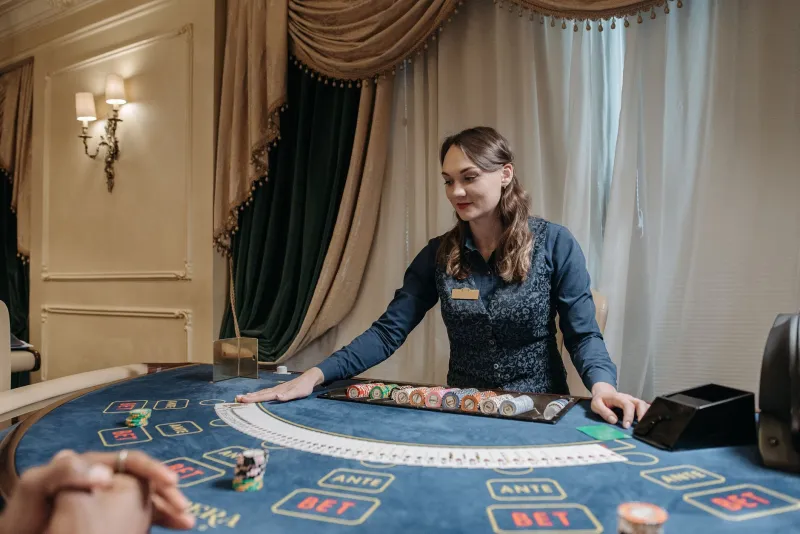
Live casino lobbies are cleverly built. You click through from a clean grid of slots and suddenly there’s a person on screen, a real wheel or a real shoe of cards, and a chat box scrolling with hellos. It feels less like a betting product and more like pulling up a stool at a table in a slightly over-lit casino. That’s the appeal — and it’s also the point where a few UK players start making decisions they wouldn’t make in a quieter moment.
None of this means live tables are bad. They can be a genuinely enjoyable format: slower than some slots, easier to follow than a fast-paced RNG table if you’re learning, and sociable in a way that a spinning reel isn’t. But the social layer is not a strategy. The dealer’s voice doesn’t soften the maths, the chat doesn’t vote on the outcome, and the countdown doesn’t give you a better read on the next card.
The dealer is pacing a shift, not your evening
A live dealer is doing a job. They’re keeping the game moving, following procedure, managing the table and making sure the stream stays clear. Their pace is designed for the operator’s table, not for your bank balance. When a dealer moves quickly through hands, it can create a sense of momentum — a feeling that something is happening and you should keep up.
That’s worth noticing. In a land-based casino you might have a shuffling pause, a chat with the person beside you, a walk to the bar. Online, the pause is often shorter and the next hand is already being dealt. If you want live tables to stay entertainment-first, decide before you sit down how many hands or how long you’ll play. The dealer will keep dealing; that’s the job. Your job is to know when you’re done.
The countdown is a decision window with a marketing department
That little timer above the betting area feels neutral, almost helpful. It tells you how long you have to place a chip or make a call. But it’s also a pressure device. A countdown turns an open question — do I want to bet this hand? — into a closing window. The brain doesn’t like missing a closing window, even when the sensible answer is “no, not this one.”
UK players should treat the countdown as an invitation, not an instruction. You are allowed to let it run out. You are allowed to sit out three hands in a row and just watch the table. You are allowed to leave mid-shoe. The timer is there to keep the game tidy, not to tell you that every round deserves a stake.
Chat is atmosphere, not evidence
Live casino chat can be good fun. Regulars say hello, the dealer answers questions, and there’s a bit of banter about the wheel or a run of bad cards. But chat is not a scouting report. It’s not evidence that a table is “hot,” that a dealer is “due” to spin a certain number, or that a group of players has spotted a pattern. It’s small talk with a betting interface attached.
There’s also a quieter risk: chat can make you feel like you’re in a room with other people, which makes a losing run feel like a shared experience rather than a private one. That’s fine in small doses. It becomes a problem when you stay longer because you don’t want to leave the conversation, or when you increase a stake to keep up with the table’s mood. Enjoy the chat, but don’t let it make decisions for you.
The tip button is a second bet with worse publicity
The tip button is one of the most interesting features in live casino. It’s framed as a thank-you to the dealer, and in many cases that’s exactly how players use it. But from a bankroll point of view, a tip is money leaving your account with no return and no effect on the game. It’s not a side bet, and it doesn’t buy a better hand. It’s a gratuity.
That doesn’t make tipping wrong. If you’ve had good service and you want to tip, that’s your call. But decide your rule before you sit down: no tips, a fixed amount at the end, or a small percentage of a winning session. What you don’t want is a tip button that becomes a reflex every time the table feels friendly. Friendliness is not a payout.
A pre-sit checklist for UK players
Before you enter a live table, run through this quick list. It takes two minutes and it’s more useful than any chat-box theory.
- Set a session budget and a time limit before you open the table. Use the casino’s deposit limits and reality-check tools if they’re available. Decide what happens when the timer goes off.
- Check the stake sizes, not just the table minimum. A low minimum can still lead to a fast spend if you’re playing many hands. Pick a stake that feels small enough to lose without regret.
- Watch a few rounds before you bet. Get used to the dealer’s pace, the interface and the countdown. There’s no prize for being the first player to place a chip.
- Treat chat as social, not strategic. Say hello if you like, but don’t follow tips, “systems” or table moods. The outcome is governed by the game’s rules and chance.
- Decide your tip rule in advance. A tip is a gratuity, not an investment. Keep it separate from your stake money.
- Plan your exit. Know how you’ll leave — close the tab, log out, or use a session reminder. The end of a shoe is a natural stopping point; so is the end of your time limit.
What live tables are actually good for
Live dealer games are best when you treat them as a slower, more sociable format for a fixed entertainment spend. They’re not a place to chase losses, test a hunch or read the dealer’s body language for clues. The human face is real; the edge is still the edge. At 777 Casino Guide UK, that’s the line we keep coming back to: enjoy the table, understand the maths, and keep the exit as clear as the entry.